







Critical Illness Insurance in Canada
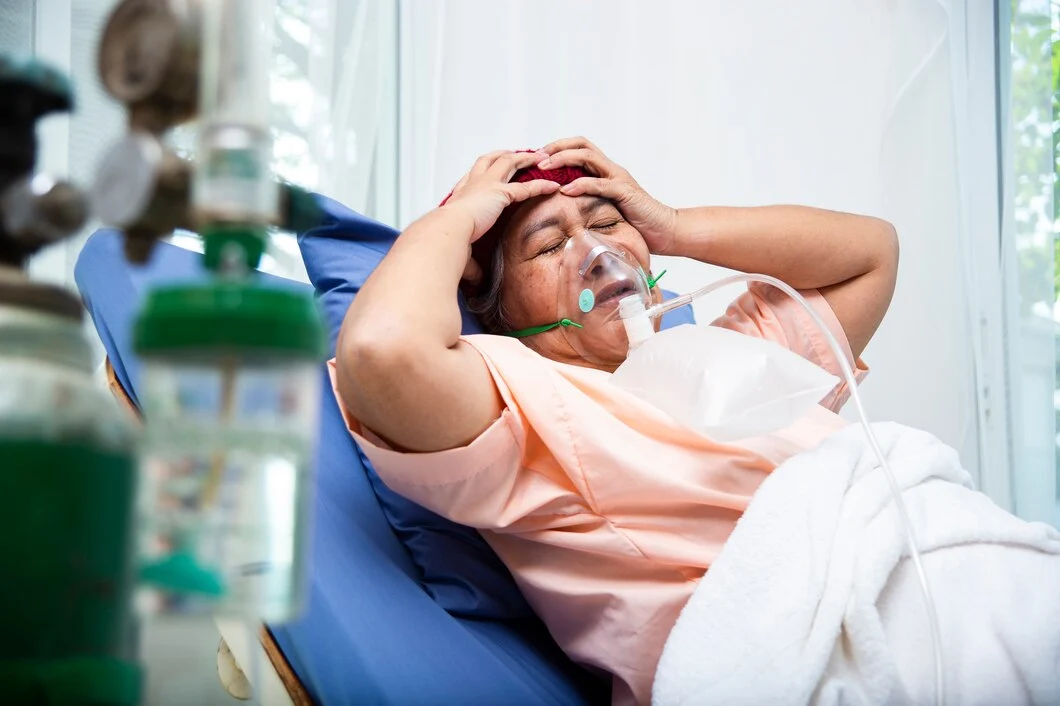
Protecting Your Financial Life During a Serious Health Crisis
When most people think about insurance, they immediately think about life insurance.
Life insurance protects families financially if someone passes away.
However, there is another financial risk that is often even more common — surviving a serious illness.
Medical advancements have dramatically improved survival rates for conditions such as cancer, heart attacks, and strokes. While this progress is encouraging, it also means that many individuals and families must manage the financial consequences of living through a major health event.
Recovery from a serious illness often requires time away from work, medical treatments, rehabilitation, and lifestyle adjustments.
During this time, financial responsibilities do not pause.
Mortgage payments continue. Household expenses remain. Businesses must still operate.
This is where critical illness insurance plays an important role in financial protection.
Critical illness insurance is designed to provide financial support when someone survives a serious medical condition, helping individuals and families focus on recovery instead of financial stress.
What Is Critical Illness Insurance?
Critical illness insurance provides a tax-free lump-sum payment if the insured person is diagnosed with a covered serious illness.
Unlike many other insurance benefits, this payment has no restrictions on how it must be used.
The money goes directly to you.
Some people use it to replace income, others to cover medical expenses, reduce debt, or simply create financial breathing room during recovery.
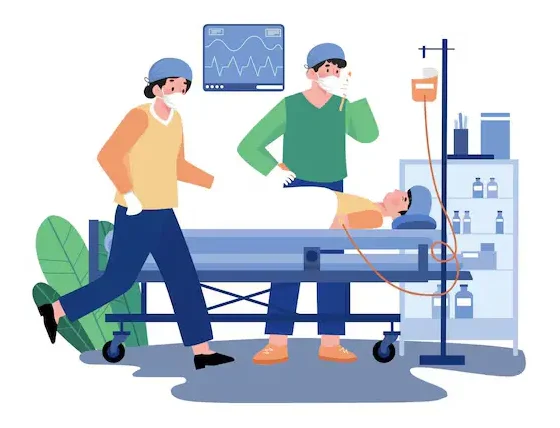
The 25 Major Conditions Commonly Covered
Most comprehensive critical illness policies cover 25 serious medical conditions, including:
- Heart Attack.
- Stroke.
- Cancer.
- Aortic Surgery.
- Aplastic Anemia.
- Bacterial Meningitis.
- Benign Brain Tumor.
- Alzheimer’s Disease.
- Blindness.
- Coma.
- Coronary Artery Bypass Surgery.
- Kidney Failure.
- Loss of Independent Existence.
- Loss of Limbs.
- Loss of Speech.
- Major Organ Transplant.
- Motor Neuron Disease.
- Multiple Sclerosis.
- Paralysis.
- Parkinson’s Disease.
- Severe Burns.
Each of these conditions has specific medical definitions within the policy.
If the diagnosis meets those definitions and the survival period requirement is satisfied, the insurance company pays the lump sum benefit.
Why Critical Illness Insurance Matters?
A serious illness affects much more than physical health.
It can affect every aspect of a person’s financial life.
Many Canadians underestimate how expensive recovery from illness can be.
Even with Canada’s strong public healthcare system, there are still significant financial pressures that can arise.
Some of the most common financial challenges include:
- Loss of income due to time away from work.
- Travel expenses for treatment.
- Rehabilitation or physiotherapy costs.
- Medications not covered by provincial healthcare.
- Home modifications or medical equipment.
- Additional caregiving support.
- Reduced working capacity during recovery.
For self-employed individuals or business owners, the financial impact can be even greater because income may stop completely during recovery.
Critical illness insurance provides financial flexibility and stability during this difficult time.
How the Lump-Sum Benefit Can Be Used
One of the greatest advantages of critical illness insurance is flexibility.
The payout is a single lump sum, and you decide how to use it.
People commonly use the funds to:
- Replace Lost Income
The benefit can support your household while you take time off work during treatment and recovery.
- Cover Household Expenses
Mortgage payments, utilities, groceries, childcare, and other costs continue even during illness.
- Access Specialized Medical Care
Some individuals choose to access private treatments, travel for specialized care, or obtain second medical opinions.
- Pay Down Debt
Reducing financial obligations can remove a huge amount of stress during recovery.
- Support Recovery
Funds may be used for physiotherapy, rehabilitation, nutrition programs, or home care support.

The purpose of this insurance is simple:
Give you the financial freedom to focus on recovery instead of worrying about money.
Understanding the Survival Period
Most critical illness policies include a survival period, usually 30 days after diagnosis.
This means the insured person must survive for a certain number of days following the diagnosis before the benefit is paid.
Once that period is satisfied, the lump sum payment is issued.
Waiting Period After Policy Purchase
Critical illness policies also include a waiting period after the policy begins, often around 90 days. This ensures coverage is purchased before illness occurs rather than after symptoms have already started.
Once the waiting period passes, full protection is in place.
Critical Illness vs Disability Insurance
Although both protect against health-related financial risks, they work differently.
- Disability Insurance
Disability insurance provides monthly income replacement if you cannot work due to illness or injury.
Situations Where Personal Ownership May Be Preferred
- Critical Illness Insurance
Critical illness insurance provides one lump-sum payment when diagnosed with a covered illness.
Because they serve different purposes, many financial plans include both protections.
Common Misconceptions About Critical Illness Insurance
Many people assume they already have enough protection, but this is often not the case.
“My healthcare system covers everything.”
Canada’s healthcare system provides excellent treatment, but it does not replace lost income or cover many recovery expenses.
“I already have life insurance.”
Life insurance protects families after death.
Critical illness insurance protects your finances while you are alive and recovering.
“Serious illness won’t happen to me.”
Health events are unpredictable.
Planning ahead creates peace of mind.
A Real-Life Financial Scenario
Imagine a 42-year-old professional who is diagnosed with cancer.
Treatment requires several months away from work.
During that time:
- Income may stop.
- Household expenses continue.
- Recovery requires rest and therapy.
- Financial stress increases.
Now imagine that same person had $200,000 of critical illness coverage.
The moment the claim is approved, they receive a tax-free lump sum payment.
That money could:
- Replace lost income.
- Cover living expenses.
- Eliminate debt.
- Support recovery.
The difference between these two situations can be enormous.
Return of Premium: Protection With No Financial Loss
One feature many people appreciate is the Return of Premium rider.
With this option, if you never make a claim, the insurance company can return the premiums you paid.
In simple terms:
If you stay healthy and never need the coverage, you may receive 100% of your premiums back.
This means you have nothing to lose.
Either the policy protects you during a serious illness, or you recover your premiums if the coverage is never used.
For many people, this makes critical illness insurance feel less like an expense and more like a financial safety strategy.
When Is the Best Time to Get Coverage?
Like most insurance, critical illness coverage is easiest and most affordable to obtain when you are healthy.
Waiting until health concerns arise can make obtaining coverage more difficult or more expensive.
Planning earlier allows you to secure protection while it is still accessible.

Final Thoughts
Serious illnesses can happen unexpectedly.
While medical care focuses on recovery, financial stress can become an additional burden during that time.
Critical illness insurance helps remove that burden.
By providing a tax-free lump sum during a health crisis, it allows individuals and families to focus on what truly matters — healing and recovery.
Protecting Your Financial Future
Financial planning is not only about building wealth.
It is also about protecting stability when life takes unexpected turns.
Critical illness insurance is one of the tools that helps individuals and families maintain financial resilience during challenging times.
If you would like to understand how this protection could fit into your financial strategy, a thoughtful conversation can help clarify the options available.

Arti Verma
Founder – Smart Hub Insurance

